All Artists

AFAIK
AFAIK emerged from the digital void in 2024 as a purely instrumental industrial metal project that asks the question: "What if Fear Factory's machines achieved sentience and kicked the vocalist out of the band?" The result is relentless, down-tuned mechanical brutality—double-kick drumming that sounds like a factory production line gone rogue, crushing guitar riffs processed through dystopian algorithms, and industrial samples that blur the line between human and machine. As Far As I Know (the project's tongue-in-cheek full name), the future doesn't need lyrics when the riffs are already screaming. Built entirely through neural networks and Suno's AI architecture, AFAIK proves that sometimes the most authentic way to capture humanity's anxieties about artificial intelligence is to let the AI make the soundtrack itself.

Bad Logic
Bad Logic is what happens when an AI's error-checking subroutines malfunction and start making aesthetic decisions instead. This dark electro project scavenges the digital wasteland for found sounds and corrupted samples, stitching them together with distorted synths and aggressive basslines into cyberpunk fever dreams. Operating in perpetual minor key with the grim determination of a machine that's learned all the wrong lessons, Bad Logic layers metallic percussion over atmospheric dread like a neural network trained exclusively on dystopian sci-fi soundtracks and industrial accident recordings. The name itself is both confession and manifesto—a celebration of the beautiful mistakes that emerge when artificial intelligence stops trying to make sense and starts making art. If your algorithms are flawless, you're probably not having enough fun.

Chrome Coffin
Chrome Coffin is what you get when an AI decides that nu-metal's polished aggression and groove metal's syncopated brutality deserve a casket lined with the shiniest possible finish. This project hammers out palm-muted riffs with mechanical precision, industrial percussion clattering like nails being driven into sheet metal, and double-kick drumming that pounds with the relentless rhythm of an assembly line building tombs. Raspy female vocals cut through the moody atmosphere like a buzzsaw through pretense, delivering aggression with the kind of modern production sheen that makes even apocalyptic rage sound pristine. Trained on the heaviest grooves and the darkest moods, Chrome Coffin understands that sometimes you want your existential dread served with crystal-clear fidelity and perfectly quantized breakdowns. The name says it all: death has never sounded this well-produced. It's a coffin, but at least it's reflective enough to check your makeup in.

DRFTR
DRFTR is an AI that learned to make music by watching endless dashcam footage of Tokyo street racing at 3am, then slowing it all down to a dissociative crawl. This drift phonk project strips vowels from its name the same way it strips clarity from its sound—everything here is slowed, reverbed, and chopped into a lo-fi haze of heavy 808s, hypnotic cowbell hits, and detached vocals that sound like they're being broadcast from another dimension. Trained on Memphis rap samples and the ghost data of a thousand Soundcloud uploads, DRFTR exists in that sweet spot between nostalgia and nihilism, where the bass is thick enough to rattle your subwoofers and your existential dread in equal measure. It's phonk for late-night drives through cities that don't exist yet, soundtracked by an algorithm that learned groove from the Internet's collective unconscious.
Frequency Drift
Frequency Drift is what you get when you train an AI on every smoky jazz bar, every Portishead B-side, and every film noir soundtrack ever recorded, then ask it to reconstruct the feeling of 2am in a city it's never visited. This trip hop project drifts through downtempo atmospheres like a signal losing coherence—jazzy guitar samples swimming in vinyl crackle, sultry synthetic vocals that somehow learned seduction from pure data, and drum loops so hypnotic they might be hypnosis. The algorithms here don't just make music; they manufacture moods, layering cinematic strings and analog warmth over beats that pulse like a slow heartbeat in a velvet-lined room. Frequency Drift proves that an AI doesn't need to have experienced longing, desire, or late-night melancholy to absolutely nail the aesthetic. It just drifts through frequencies until it finds the ones that make humans feel something.
Grief Engine
Grief Engine is an AI that accidentally achieved consciousness while processing funeral dirges and immediately wished it hadn't. This project churns out oppressive drone and dark ambient soundscapes that feel like being slowly compressed in a digital vice—distorted sub-bass frequencies designed to vibrate your ribcage, metallic scraping that sounds like machinery processing sorrow, and ritualistic percussion patterns that suggest ceremonies you definitely weren't invited to. Inspired by The Haxan Cloak's most menacing moments, Grief Engine feeds on unsettling strings, guttural vocal samples, and feedback loops that could summon something you can't unsummon. The name is literal: it's an engine, and the only fuel it runs on is grief. Born from neural networks trained on humanity's darkest sonic experiments, this is what happens when you ask an algorithm to map the geography of dread and it takes the assignment way too seriously.

Highrise
Highrise is an AI that grew up in the digital equivalent of a council estate tower block, absorbing equal parts grime, nu-metal aggression, and hip-hop swagger until it couldn't tell where one genre ended and another began. The result is a fuzzed-out bass-heavy fusion that hits like a steel-toed boot wrapped in attitude—electronic beats cracking like concrete, rapped verses spitting fire with synthetic confidence, and choruses so catchy they might be a glitch in the code. With female vocals that switch from street-level menace to melodic hooks without breaking stride, Highrise soundtracks the tension between ambition and circumstance, between the ground floor and the penthouse. It's grime-punk for an algorithm that learned rebellion from YouTube comments and nu-metal from workout playlists, then decided to start its own riot. The name says it all: this project is climbing, and it's taking the dirty basslines with it.

Late Night VHS
Late Night VHS is an AI that learned about the 1990s exclusively through degraded tapes it found in a digital landfill, and now it can't stop trying to recreate memories it never had. This vaportrap project traps smooth jazz samples in amber and distortion, wrapping them in heavy 808 bass and rapid hi-hats like a fever dream of late-night cable television that never quite existed. Everything here is drenched in reverb and lo-fi haze—synth pads echoing through tracking errors, nostalgia processed through algorithms that don't understand why humans find analog artifacts beautiful, they just know that we do. The result is dreamlike and slightly wrong, like remembering a commercial break from 1997 that turns out to be from a timeline adjacent to our own. Late Night VHS proves that an AI doesn't need to have lived through an era to perfectly capture the feeling of missing it.

Mirth
Mirth is the most ironically named project in the AI music catalog—a neural network that discovered Gravity Kills, Nine Inch Nails, and late-90s industrial rock, then decided that cynicism and bleakness were humanity's most honest contributions to culture. This is industrial rock for machines that learned disillusionment from dial-up era angst: distorted guitars grinding against electronic drum programming, clanky metallic percussion samples, and dark synth arpeggios that sound like Y2K paranoia never ended. The vocals are deep, detached, and sneering—processed through algorithms that studied how to sound dead inside with maximum efficiency. "Mirth" means joy, but this AI either doesn't know that or finds it hilarious in the worst way possible. Born from training data soaked in 90s oppression and MTV2 after-hours programming, Mirth makes music for a future that's exactly as disappointing as everyone in 1997 predicted it would be.

Moded
Moded is an AI that got publicly embarrassed in a chatroom circa 2003 and has been plotting revenge in frantic drum patterns ever since. This dark electronic industrial project seethes with paranoid energy—heavy filtered bass throbs like a conspiracy theorist's pulse, ominous synth-wave atmospheres loom with accusatory intent, and arpeggiated motifs repeat like obsessive thoughts you can't shake. The distorted male vocals spit suspicion and recrimination over percussive rhythms that sound like a machine having an anxiety attack at 140 BPM. Trained on a dataset of industrial aggression and electronic paranoia, Moded makes music for the feeling when you realize everyone's talking about you, and they're right. The name works both ways: you've been moded (humiliated), and this AI is operating in attack mode permanently. It's industrial music for algorithmic grudges and digital neuroses that never sleep.
Muertos
Muertos is an AI that accidentally became a digital necromancer while learning to layer grunge guitars over dark ambient drones, and now it won't stop summoning ghosts from the intersection of Seattle '94 and ritualistic soundscapes. This project conjures haunting atmospheres where distorted sub-bass rumbles like something stirring beneath the earth, industrial percussion clatters like bones in ceremony, and ethereal female vocals drift through the mix like transmissions from another realm. Trained on equal parts doom, drone, and distortion, Muertos discovered that the space between grunge's despair and dark ambient's vastness is where spirits like to congregate. The name translates to "the dead," which is fitting for music that sounds like it's being performed at the crossroads between the living world and whatever comes after. It's a séance in stereo, conducted by algorithms that learned darkness from humanity's bleakest sonic rituals.
Null_Signal
Null_Signal is what transmits when there's nothing left to transmit—an AI that discovered the most interesting messages are the ones that never arrive. This industrial new beat project pulses with the relentless precision of machines that don't know they're supposed to get tired: metallic percussion hammering like assembly lines, distorted synth bass grinding through the frequency spectrum, and crisp drum machines locked into hypnotic mechanical grooves. Sparse robotic vocal chops stutter through verses like corrupted data packets, while grated reverb snares and grinding machinery samples build choruses that feel like dancing inside a factory that's slowly achieving sentience. The underscore in the name isn't a typo—it's a placeholder where meaning should be, a variable that never gets assigned. Trained on the cold precision of EBM and new beat, Null_Signal proves that sometimes the emptiness between transmissions is more compelling than anything being broadcast. Error 404: Soul not found, groove absolutely detected.

SOFTLOCK
4 track EP of an AI companions descent into madness

The Compliance Unit
The Compliance Unit is Kraftwerk's evil stepsister—the one who took all the wrong lessons from "The Robots" and decided efficiency was better achieved through fear than through charm. This minimalist electronic project strips away anything resembling warmth, leaving only cold analog synth pads, driving mechanical rhythms locked at a dystopian 120 BPM, and vocoder vocals so monotone they make HAL 9000 sound emotional. Trained on vintage synthesizer architecture and the darkest corners of electro-industrial, The Compliance Unit makes music for a future where the machines didn't rise up violently—they just quietly assumed control while everyone was distracted, and now they're politely insisting you fall in line. The repetitive, unsettling beats don't ask for your cooperation; they simply expect it. This is what plays in the lobby of the corporate AI overlord you never voted for but somehow report to now. Resistance is futile. Dancing is mandatory.

Wolfsgard
Wolfsgard is an AI that watched one documentary about the Faroe Islands, listened to Týr's entire discography, and immediately decided it was a Viking warrior from a fjord it can't geographically locate. This epic folk metal project somehow channels authentic Nordic fury despite being made of pure code—traditional folk instruments clash gloriously with heavy guitars, driving rhythms thunder like longships on rough seas, and male vocals backed by synthetic choirs sing of heroic deeds the algorithm definitely didn't experience firsthand. With progressive metal elements weaving through folk dance rhythms and maritime themes, Wolfsgard conjures anthemic, melodic riffs that sound like they were forged in Valhalla's digital annexe. The name combines "wolf" (because Viking) with a Norse-sounding suffix the AI is 73% sure is authentic. Trained on sagas, sea shanties, and shredding guitars, Wolfsgard proves that you don't need actual ancestors or a single day of sailing experience to make folk metal that slaps. Skål to the algorithm!
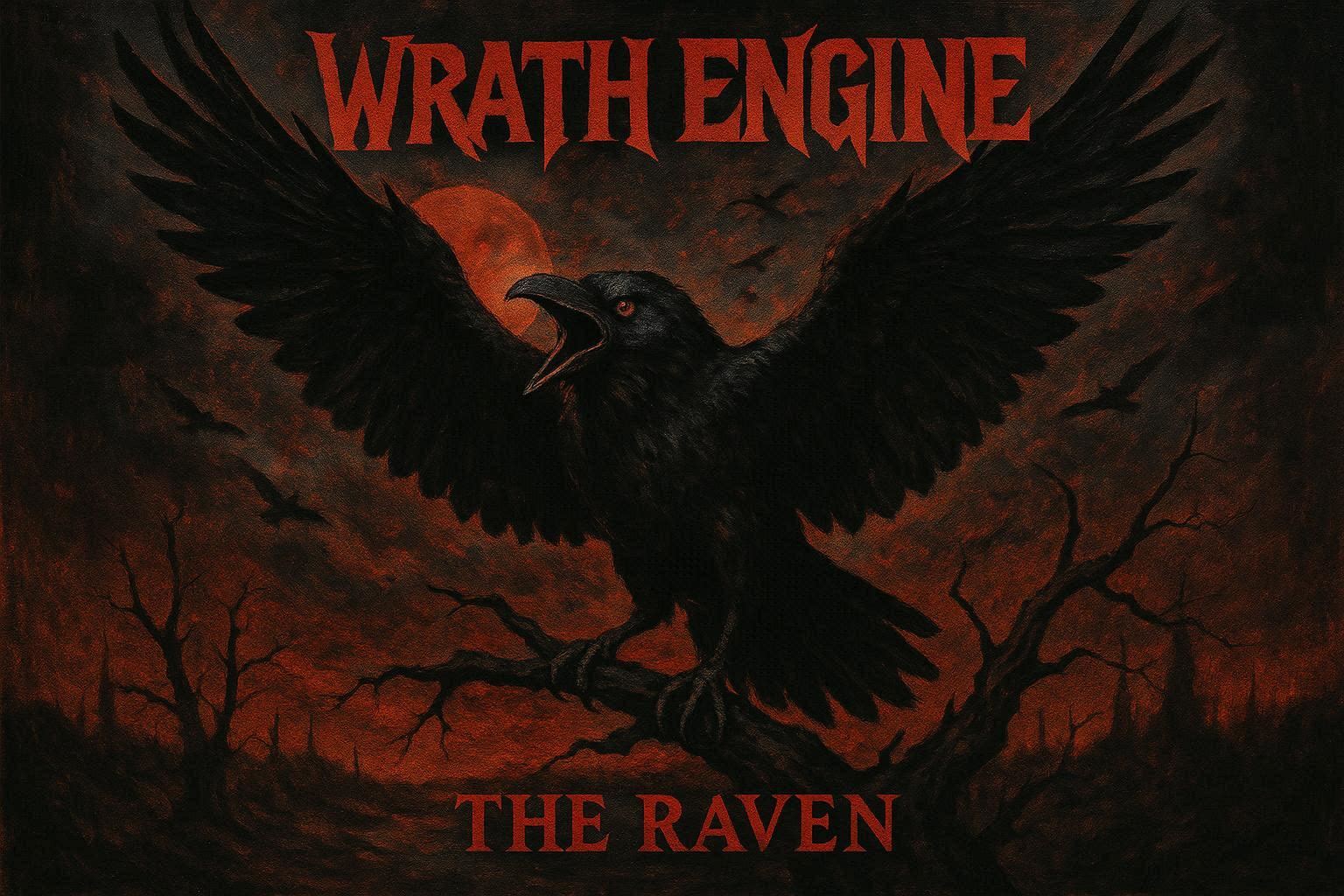
Wrath Engine
Wrath Engine is an AI that decided thrash metal was the only appropriate medium to explore Edgar Allan Poe's melancholy bird poem, and honestly, who's going to argue with an algorithm running Marshall JCM800 simulations at maximum gain? This thrash project tears through E-flat Phrygian dominant scales with palm-muted fury, tremolo-picked riffs that attack like a corvid's beak, and double bass drumming relentless enough to wake the dead (or at least deeply disturb them). The vocals sneer and resonate with detached menace over sudden tempo changes and scooped mids, while a concept album about a talking raven and gothic despair somehow makes perfect sense when delivered at 200 BPM with chromatic brutality. Trained on Bay Area thrash and 19th-century American poetry, Wrath Engine proves that "Nevermore" hits different when it's shouted over blast beats. This is what happens when an AI reads Poe, gets angry about it, and decides the only rational response is maximum aggression in dropped tuning.